
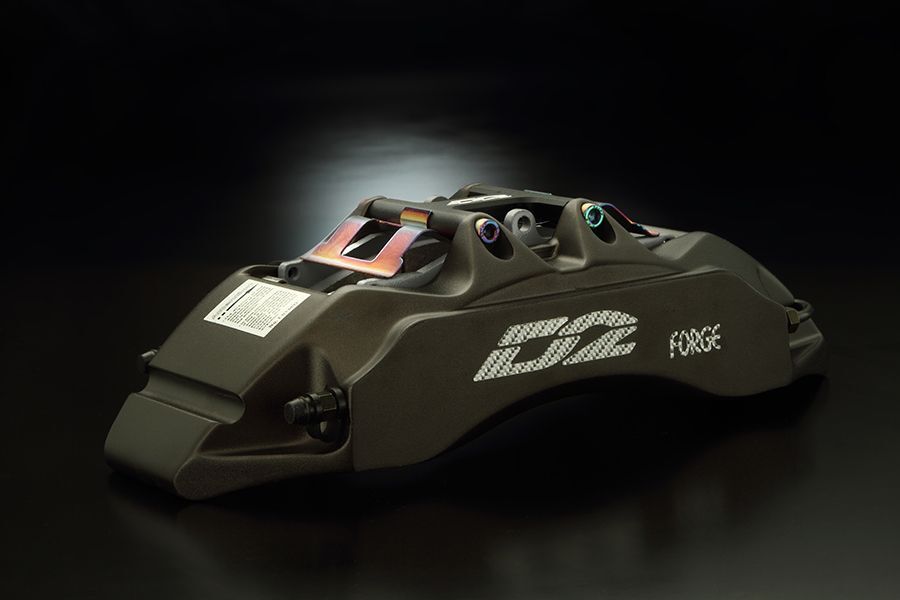

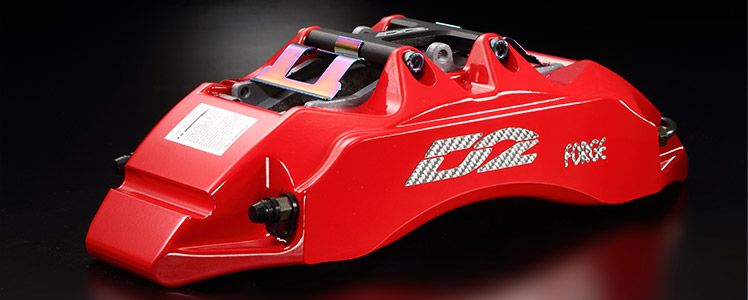
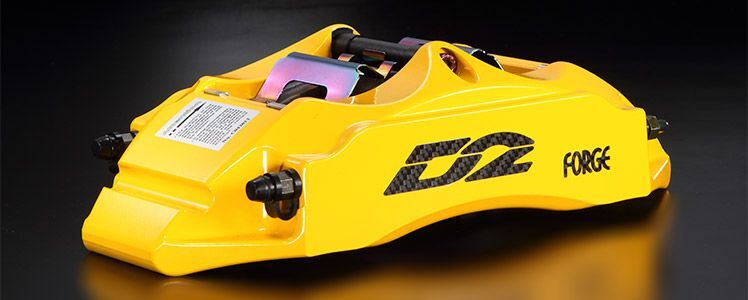
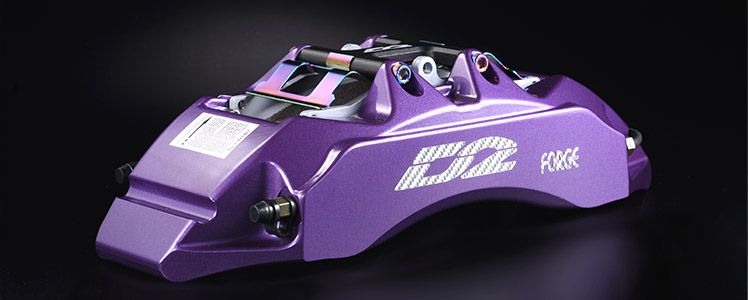
D2 Big Brake Kit Street fixed 356x32mm VW Scirocco 08- ->
21 100 SEK21 099 SEK
Lägsta pris de senaste 30 dagarna21 100 SEKD2 Big brake kit till Volksvagen Scirocco 2008 och framåt
Endast bilar med 2 delade OK 55mm i kolvdiameter
- Betala säkert med Kustom eller Swish
- Maila oss, vi svarar snabbt!
- Säkra leveranser med DHL
Beskrivning
Art.nr: VO22-F35611
Bilmodell: Volksvagen Scirocco 2008 - ->
Bultcirkel: 5X112
Position: Front
Kolvar: 6 Kolvar
OK: Street OK
OK typ: Monoblock
Storlek: 356x32mm
Skivtyp: Fixerade
Dammskydd: JA (street caliper)
Garanti 3 års garanti
Kittet innehåller:
2st OK 2st Skivor 4st Bromsbelägg Stålomspunna bromsslangar Monterings detaljer
Slitsade bromsskivor
Slotted rotors offer improved bite (initial onset of braking) and slightly higher friction level than smooth rotors. Slots prevent reduction in friction due to pad outgassing or brake dust trapped between pads and rotors. Pad coefficient of friction is maintained over the lifetime of the pads, since slots shave away glaze formation and expose fresh pad surface each time brakes are applied. Slotted rotors are by far the number one choice for cars used in competition or open track events. Disadvantages include slightly reduced pad life, some low frequency rumble and pedal flutter when braking hard from high speeds.
Borrade bromsskivor
Drilled rotors offer slightly more bite and friction than slotted rotors. As with slotted rotors, pad coefficient of friction remains consistent over their lifetime. Wet bite is improved over plain and slotted rotors, so these may be the best choice for areas with heavy rainfall. Weight is reduced by about 0.2 pounds per rotor, depending on size and drill pattern. Disadvantages include possible uneven rotor wear, typically concentric groove formation, although this is mostly an aesthetic concern. A major disadvantage is accelerated formation and spreading of cracks under racing conditions. For this reason, drilled rotors should be avoided for track cars, unless required by the rules. A common piece of misinformation is that they have lower performance than smooth rotors, due to reduced surface area and are for looks only. This is false.
Sport bromsbelägg :
(supplied by default): suitable for street use, good response when cold (steady friction coefficient of 0.46 to 0.53 up to 600 ° C).
Race bromsbelägg:
Carbon /Ceramic with excellent temperature resistance, less bite when cold (steady friction coefficient of 200 ° C to 900 ° C)